If your Lexington home is going on the market soon, one question matters more than most: what should you fix before you list, and what can wait? In a market where buyers have more options than they did a few years ago, the right pre-listing plan can help your home show better, photograph better, and avoid preventable delays. This guide will help you prioritize projects, sequence the work, and prepare your home with less guesswork. Let’s dive in.
Why pre-listing planning matters in Lexington
Lexington remains active, but it is not the ultra-fast market many sellers remember. Redfin’s May 2026 snapshot put Lexington’s median sale price at $349,791, with average days on market at 38. Bluegrass REALTORS® also reported 3,980 homes available in April 2026 across the broader region, with an average of 57 days on market, a median of 21 days on market, and an April median price of $292,000.
For you as a seller, that means preparation still matters. Buyers have more inventory to compare, and Bluegrass REALTORS® also reported strong new-construction sales, which adds competition from homes that may feel newer and more move-in ready. When your home looks clean, well-maintained, and thoughtfully prepared, it has a better chance to stand out early.
Start with the projects buyers notice first
Not every project deserves your time or money before listing. In most cases, the best returns come from work that improves first impressions, reduces buyer concerns, and helps your home shine in photos and showings.
Focus on curb appeal
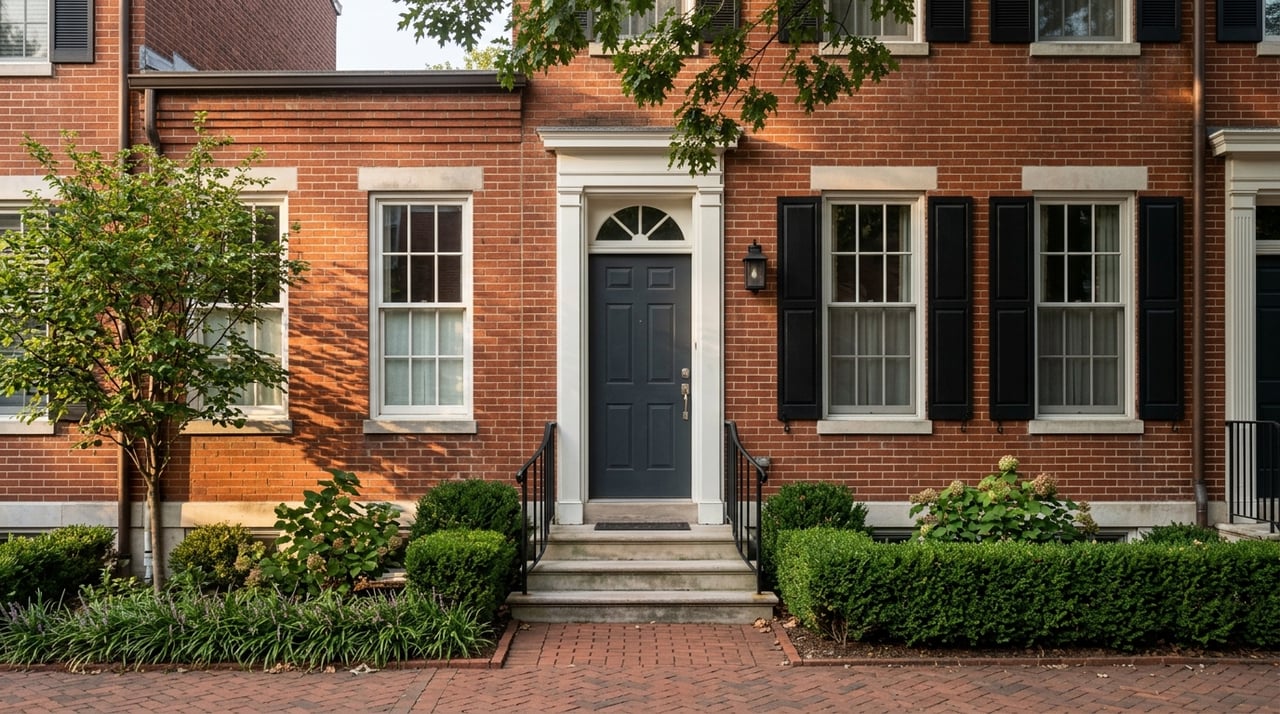
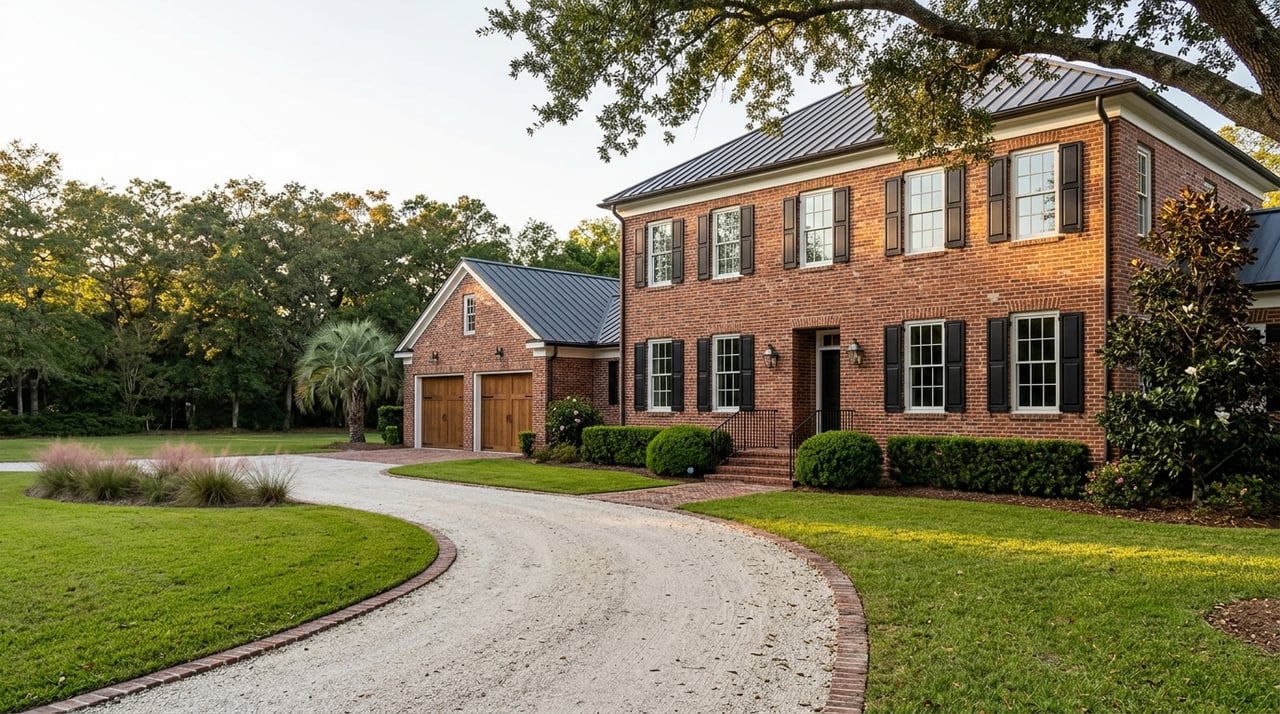
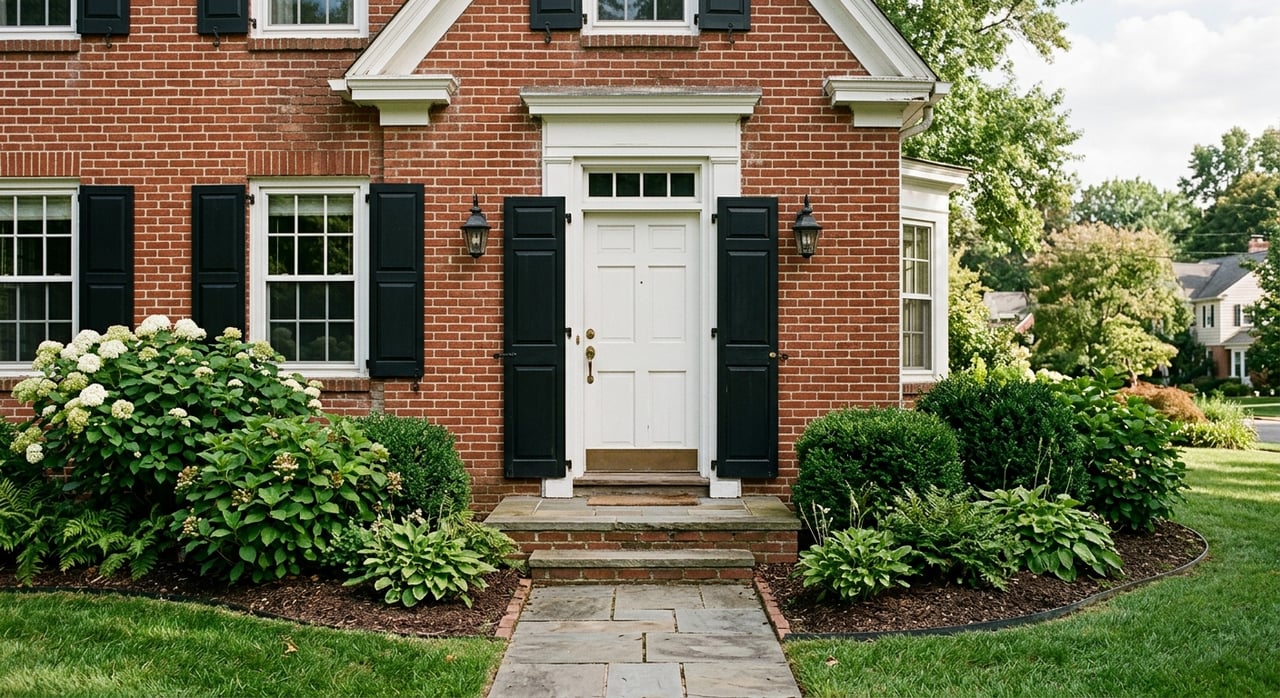
Curb appeal is often your first showing. NAR’s 2025 Remodeling Impact Report found that 92% of REALTORS® recommend improving curb appeal before listing, and 97% say it matters in attracting a buyer.
In Lexington, that usually means simple exterior updates, not major reconstruction. Your list may include:
- Lawn cleanup
- Pruning shrubs and trees
- Fresh mulch
- Pressure washing siding, walks, or porches
- Painting or touching up the front door
- Replacing worn hardware
- Fixing visible exterior wear
These are the kinds of projects that help buyers feel positive before they ever step inside.
Update the rooms that show up in photos
Once buyers see the exterior, the next deciding factor is often the online listing. NAR’s 2025 staging research found that staging helps buyers visualize a property as a future home, and the rooms viewed as most important were the living room, primary bedroom, and kitchen.
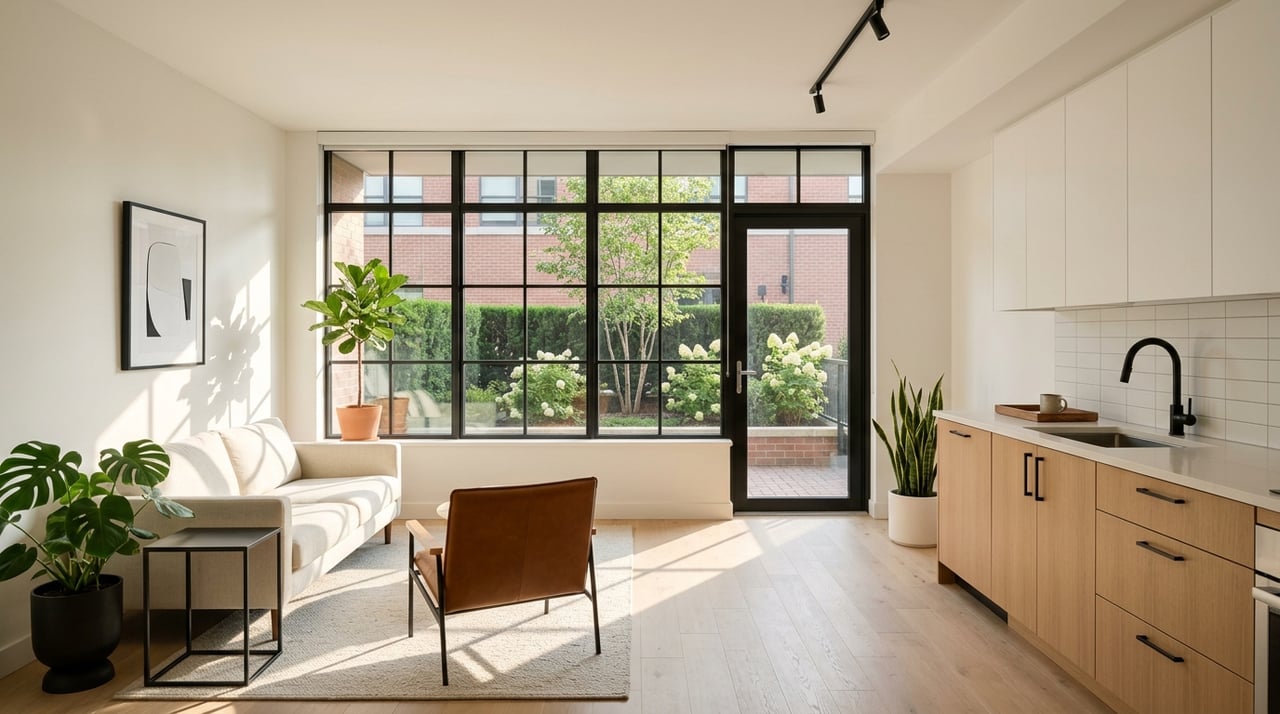
That is a useful rule for your budget. Spend first on the spaces that will appear most often in photos, videos, and showings. Fresh paint, lighter decor, simple styling, and minor cosmetic updates in those areas usually do more than highly personal upgrades elsewhere.
Fix issues that create objections
Some projects are not exciting, but they matter more than decor. Kentucky’s seller disclosure form asks about major systems and conditions such as plumbing, electrical, HVAC, roof leaks, windows and doors, moisture issues, mold, foundation concerns, basement leaks, crawl-space drainage, appliances, wood infestation, and code violations.
That makes your repair list easier to prioritize. If an issue could raise concern during a showing, inspection, or disclosure review, it deserves early attention. Buyers can often overlook dated finishes, but they are less comfortable with signs of deferred maintenance or unresolved system problems.
Build your project list in the right order
A good pre-listing plan is not just about what you do. It is also about when you do it. The right sequence can help you avoid rework, scheduling conflicts, and the frustration of cleaning or staging around unfinished repairs.
Step 1: Walk the home and define scope
Start with a full walk-through of your property. Look at your home the way a buyer will, from the street to the major living spaces to utility and storage areas.
Create a working list under three simple categories:
- Must-fix items
- Cosmetic improvements
- Cleaning and staging tasks
This approach helps you separate true priorities from nice-to-have ideas.
Step 2: Check permit needs early
In Lexington-Fayette, permit rules can affect your schedule. LFUCG says most residential remodeling projects for a house, townhouse, or duplex require a building permit before construction, including work such as finishing a basement, adding a window or door, and structural changes like creating, moving, or removing walls.
If your pre-listing work goes beyond simple cosmetic updates, check permit requirements before work starts. This is especially important because permit-related delays can push back every step that follows.
Step 3: Complete structural and system work first
Once your scope is clear and any needed permits are handled, finish the projects that affect the bones of the home. That may include repairs tied to plumbing, electrical, HVAC, leaks, drainage, windows, doors, or other condition issues reflected on Kentucky’s disclosure form.
This step should come before paint, flooring touch-ups, or staging. Otherwise, you may end up damaging finished surfaces or paying twice for cleanup.
Step 4: Move to cosmetic improvements
After the heavy work is done, shift to the updates that improve presentation. This is the stage for paint touch-ups, simple hardware swaps, light fixture refreshes, exterior tidying, and other visual improvements that help your home feel cared for and current.
In most homes, neutral and broadly appealing choices are the safer play. In a market with meaningful inventory, small visible improvements with wide appeal are often a better strategy than custom, taste-specific remodeling.
Step 5: Deep clean and stage last
Staging works best after repairs and cosmetics are complete. NAR found that many sellers’ agents recommend decluttering and correcting property faults even when full staging is not used, and the median spend for a staging service was $1,500.
At this stage, your goals are simple:
- Remove excess furniture and personal items
- Deep clean the entire home
- Style the main living areas
- Prepare for listing photos and video
This final layer helps buyers focus on the home itself instead of distractions.
Use Lexington weather to your advantage
Your project calendar should also reflect local conditions. NOAA climate normals for Lexington show average highs rising from 67.2°F in April to 75.8°F in May, 83.8°F in June, and 86.9°F in July. Annual precipitation is about 49.84 inches, so rain delays are a practical factor.
For exterior paint, landscaping, pressure washing, and similar tasks, late spring through early fall is often the most reliable window. If you are listing during a wetter or colder stretch, build in extra buffer time so weather-sensitive work does not disrupt your launch.
Keep records as you go
As you complete pre-listing projects, save your paperwork. Kentucky’s disclosure form says sellers must disclose known property conditions to the best of their knowledge, and changes discovered before closing should be reported in writing.
That is why it helps to keep:
- Receipts
- Contractor invoices
- Permit records
- Warranty information
- Before-and-after notes for major repairs
Good documentation can make disclosure questions easier to answer and help show buyers that work was completed thoughtfully.
Avoid over-improving before you sell
It is easy to assume that more renovation always leads to a better result, but that is not always true. In Lexington’s current market, buyers have enough choice to compare condition and presentation closely, but that does not mean every seller should take on a major custom remodel.
A better strategy is usually to focus on broad-appeal improvements. Clean lines, fresh surfaces, good maintenance, and polished presentation tend to support a smoother listing process more reliably than highly specific design choices.
A simple pre-listing checklist for Lexington sellers
If you want a clear starting point, use this sequence:
- Walk the property and list needs by priority
- Identify any repair items tied to disclosure concerns
- Confirm whether planned work needs a permit in Lexington-Fayette
- Schedule structural or system-related work first
- Complete cosmetic interior and exterior updates
- Plan weather-sensitive exterior work with extra buffer time
- Deep clean, declutter, and stage key rooms
- Gather receipts, permits, and warranties for your records
- Photograph and launch only after the home is fully ready
That order can save time, reduce stress, and help your home make a stronger first impression.
When you want a more streamlined selling experience, working with a team that can coordinate preparation, project management, and marketing under one roof can make the process much easier. If you are planning your next move in Lexington, Concierge Real Estate and Investment Co. can help you map out the right pre-listing strategy and get your home market-ready with less friction.
FAQs
What pre-listing projects matter most for Lexington home sellers?
- The most important projects are usually curb appeal improvements, cosmetic updates in key photo-ready rooms, and repairs involving major systems or visible condition issues that could raise buyer concerns.
Do Lexington home sellers need permits for pre-listing work?
- Some projects do. LFUCG says many residential remodeling projects require a building permit before construction, including certain structural changes, added windows or doors, and basement finishing.
When should Lexington sellers schedule exterior pre-listing projects?
- Late spring through early fall is often the most reliable time for exterior work like landscaping, painting, and pressure washing because warmer temperatures generally make scheduling easier, though rain delays should still be expected.
Should Lexington sellers stage a home before listing?
- Staging can help, especially in the living room, primary bedroom, and kitchen, but it usually works best after repairs, paint, and deep cleaning are complete.
What documents should Kentucky home sellers keep after pre-listing repairs?
- You should keep receipts, permits, contractor invoices, warranty paperwork, and other records related to completed work so you can answer disclosure questions more clearly.
How do Lexington market conditions affect pre-listing decisions?
- With active inventory and competition from both resale and new-construction homes, strong preparation can help your property stand out by looking cleaner, more complete, and more move-in ready.