Starting a new job or life chapter in Hartford? You’re not alone. Many professionals move here for roles in insurance, healthcare, education, or state government and want a clear, practical plan. In this guide, you’ll learn how to choose a neighborhood, map your commute, find everyday essentials, and follow a proven moving timeline tailored to Hartford’s seasons. Let’s dive in.
Why Hartford works for relocations
Hartford is Connecticut’s capital and the urban hub of a region filled with distinct suburban towns. You’ll find a compact downtown job center, historic neighborhoods with character, and nearby suburbs that offer more space. Four true seasons shape daily life, from snowy winters to warm, humid summers.
If you’re comparing safety across areas, look at specific blocks and recent data rather than relying on citywide averages. Explore public data and resources through the City of Hartford to understand municipal services, permits, and neighborhood maps before deciding where to live. For a snapshot of commuting modes and regional context, the U.S. Census Bureau provides helpful background.
Choosing your neighborhood
City living options
- Downtown and Central City. You’ll see high-rise and mid-rise apartments, condos, and some converted lofts. This is a good fit if you want short walk times to offices, cultural venues, and Union Station.
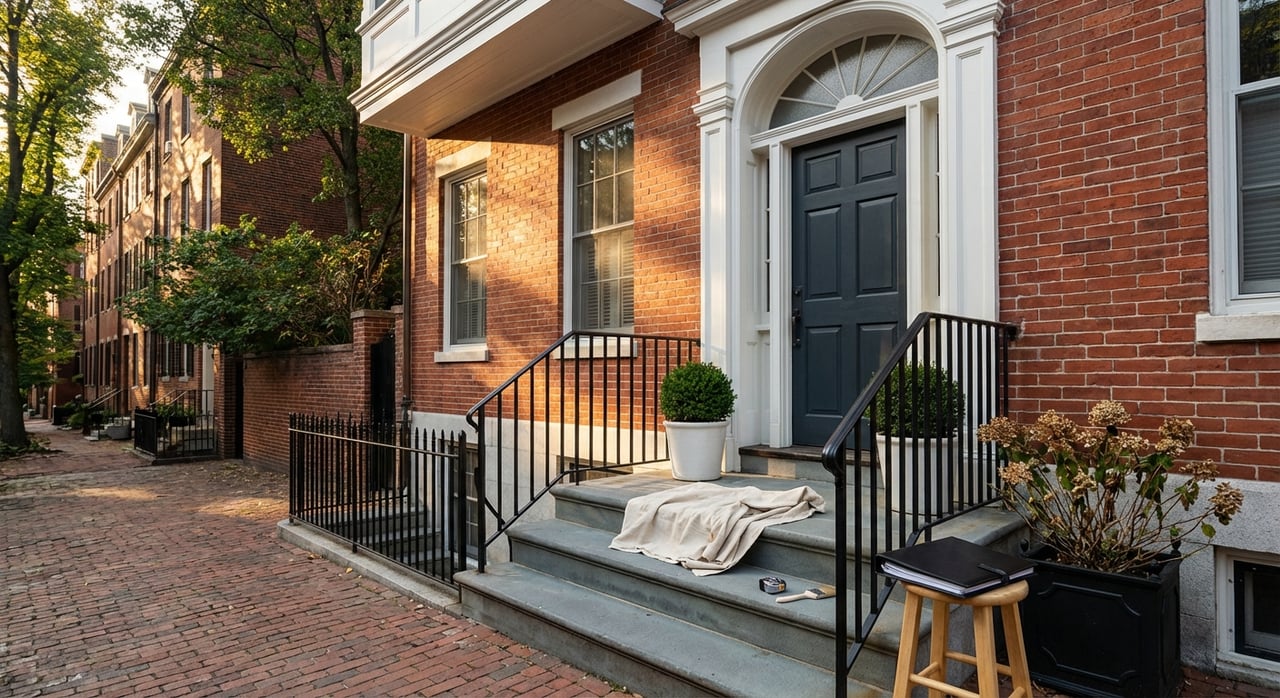
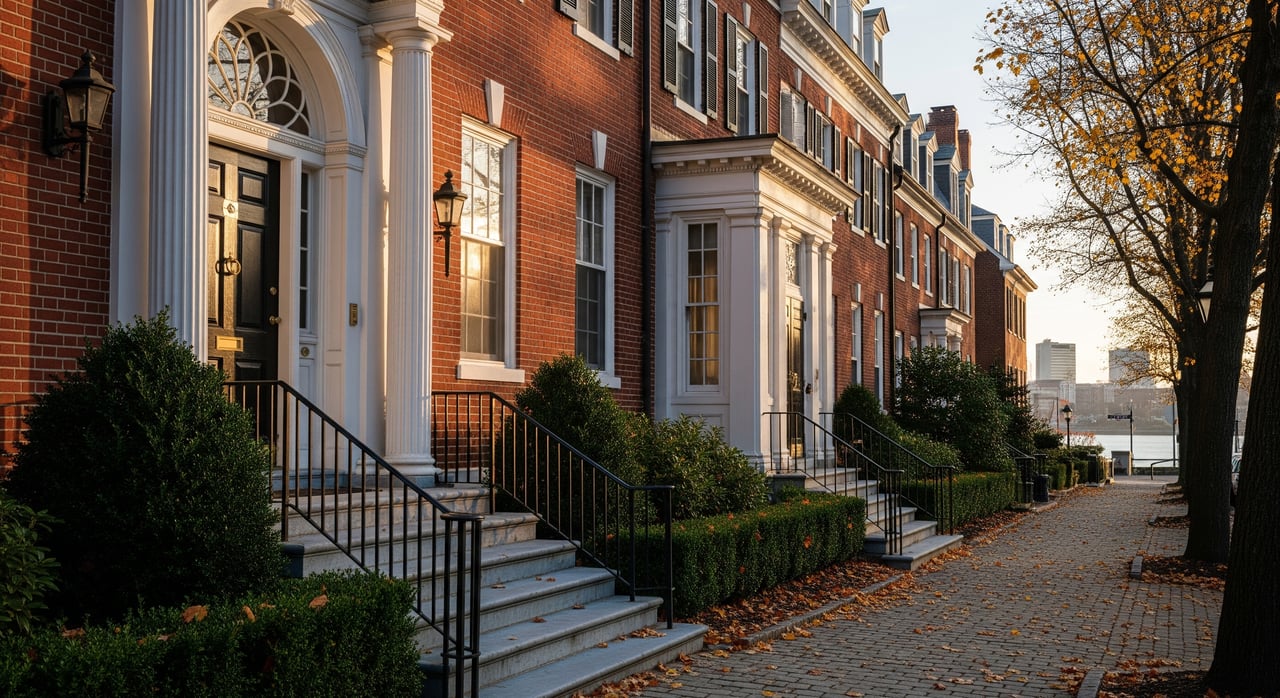
- Historic neighborhoods. Areas like the West End, Asylum Hill, Upper Albany, and parts of Frog Hollow offer brick rowhouses, Victorians, and duplexes. Many blocks sit close to parks and institutions. Older homes may come with renovation considerations, which you can plan for with inspections.
- Single-family blocks. Outlying parts of the city have pockets of single-family homes and small yards. Check parking rules and any resident permit programs through the City of Hartford if you plan to street park.
Suburban choices nearby
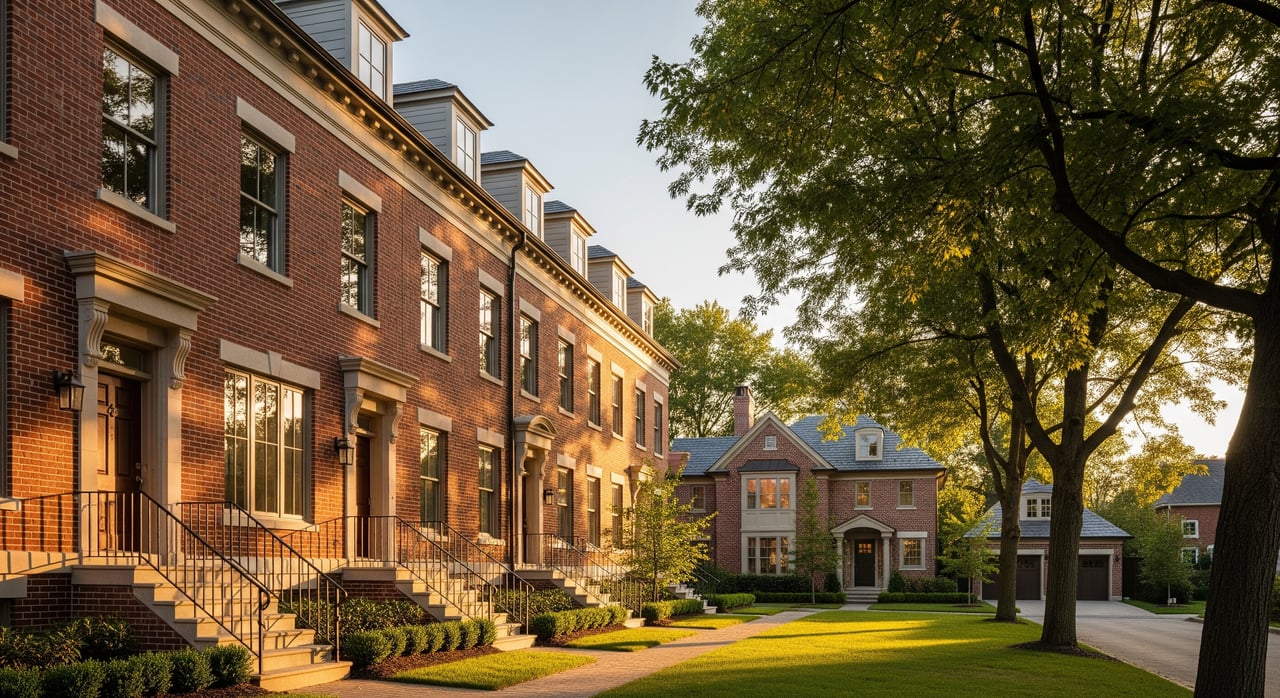
- West Hartford. Popular for shops and dining with a short trip into downtown.
- Bloomfield and Windsor. North and northwest of the city with convenient access to major routes.
- East Hartford and South Windsor. East of the river with varied housing options and work commutes back to the city.
- Farmington and Glastonbury. Suburban settings with larger homes and access to regional employment corridors.
How to decide
- Commute time and route by car, rail, or bus
- Distance to your employer, schools, and childcare
- Walkability and access to parks, grocery stores, and cultural venues
- Housing style, age, and maintenance needs
- School preferences and enrollment options such as magnet programs
Renting vs buying in Hartford
If you’re renting, start early. Downtown and areas near colleges can be competitive for studios through two-bedroom units, and short-term corporate housing may have limited availability. Confirm building move policies, elevator reservations, and any fees.
If you plan to buy, get pre-approved and tour both city condos and nearby single-family options. This lets you weigh convenience against space and commute time. For older properties, build in due diligence. Certified inspections can help you assess typical issues in historic homes such as aging systems or lead paint.
Parking is a major factor across older neighborhoods and downtown buildings. Review on-street permits, garage availability, and enforcement details through City of Hartford resources.
Commute and transportation
Driving and highways
Most Hartford-area commuters drive. Major corridors include I-84 running east to west and I-91 running north to south, with I-291 and I-384 connecting suburbs. Expect peak congestion during morning and evening rush. Before locking in your commute, check advisories and construction updates from the Connecticut Department of Transportation.
Rail and local bus
If you prefer transit, the Hartford Line on CT Rail connects New Haven, Hartford, and Springfield with a stop at Union Station. Within the city and nearby suburbs, CTtransit runs the Hartford Division’s bus network that serves many job centers and neighborhoods. Park-and-ride lots around the region provide convenient car-to-transit options, and you can review locations through CTtransit or statewide updates via CT DOT.
Air travel
Bradley International Airport in Windsor Locks is the primary airport for Hartford-area travelers. It’s a straightforward drive from most city and suburban locations, which is helpful if you fly often for work.
Everyday essentials and amenities
Schools and education
Hartford offers a mix of neighborhood schools and specialized magnet programs within Hartford Public Schools. In the suburbs, districts like West Hartford, Glastonbury, and Farmington are common choices for families who want larger homes and specific school options. Enrollment windows and application steps vary, so you’ll want to contact districts directly as early as possible.
Higher education brings added energy and learning opportunities. Trinity College and Capital Community College are located in Hartford, and the University of Hartford sits nearby.
Healthcare access
Hartford is home to major health systems, including Hartford HealthCare and Saint Francis. You’ll find primary care and urgent care options in both the city and suburbs. Confirm in-network providers with your insurance before you move, and transfer prescriptions a couple of weeks in advance.
Groceries, culture, and parks
Downtown has small-format groceries, with larger supermarkets in West Hartford and along key retail corridors. Seasonal farmers markets, co-ops, and specialty stores serve Hartford’s diverse communities.
For culture and entertainment, the Wadsworth Atheneum, Connecticut Science Center, the Bushnell Center for the Performing Arts, and the XL Center anchor the city’s arts and events calendar. Outdoors, you can enjoy trails along the Connecticut Riverfront and green spaces such as Bushnell Park, Elizabeth Park, and Colt Park.
Moving timeline for Hartford
6+ months before your move
- Confirm your start date, flexible hours, remote days, and workplace parking.
- Shortlist three to six neighborhoods or towns across city and suburbs.
- Build your housing budget including taxes, utilities, parking, HOA fees, and transit costs.
- Connect with a local Realtor who knows the Hartford commute patterns and can provide virtual tours.
3–4 months before your move
- Visit to walk neighborhoods, tour grocery and retail options, and test commute routes during rush hour. If you cannot visit, request live video tours and street-level videos.
- Decide whether to rent first or buy now. Consider a short-term lease if you need more time to house-hunt.
- Reach out to schools and childcare for enrollment timelines, magnet program deadlines, and waitlists.
- Start packing, downsizing, and measuring furniture for likely floor plans.
1 month before your move
- Finalize housing and confirm move-in date, building rules, and parking access.
- Book movers and storage. If moving in winter, confirm crews come prepared with salt and shovels.
- Schedule utility transfers for electricity, gas, water, trash, internet, and cable.
- Research state requirements for vehicle registration and insurance. Use Connecticut state agencies to understand DMV steps.
2 weeks before your move
- File a USPS change of address and update employers, banks, subscriptions, and licenses.
- Transfer prescriptions and line up new primary care and dental providers.
- Confirm elevator reservations and loading dock windows if applicable.
Move week and day
- Check the forecast. Hartford can see quick snow or ice in colder months.
- Walk through the inventory with movers and note item conditions upon arrival.
- Pack an essentials box with warm layers if moving in winter, along with tools, chargers, documents, and emergency contacts.
First month in Hartford
- Register your vehicle and transfer your driver’s license if you moved from out of state. Use Connecticut state agencies for up-to-date DMV details.
- Enroll children in school or childcare and attend orientation.
- Explore your neighborhood on foot to locate transit stops, groceries, pharmacies, and urgent care.
- Review building or HOA rules for trash, recycling, parking, and maintenance requests.
1–3 months after your move
- Set up local accounts like a library card and gym membership.
- Establish ongoing relationships with primary care and dental providers.
- Attend local meetings or community events to get connected.
Practical tips for a smooth landing
- Evaluate safety at the block level. Review public data and neighborhood resources via the City of Hartford and Hartford Police public data pages.
- Confirm parking details early. Look into resident permits, garage fees, and guest parking rules through City of Hartford city services.
- Use multimodal options. Cross-check bus routes on CTtransit and Hartford Line schedules on CT Rail for backup commute plans.
- Watch for construction. Check CT DOT advisories before choosing a commute route or finalizing a long-term lease.
- Plan for older homes. Line up certified inspections and discuss renovation needs before closing on historic properties.
Partner with a local team invested in your move
Relocating is easier when one team coordinates the pieces. You can streamline home search, financing, and move-in by choosing a partner that manages details from pre-approval and tours to movers, cleaning, and post-closing projects. Our integrated services include mortgage coordination, moving, cleaning, renovations, landscaping, pool care, and project management so you spend less time juggling vendors and more time getting settled.
If you’re weighing city convenience against suburban space, want virtual tours of target neighborhoods, or need a rent-now buy-later strategy, we’re ready to help. Start a conversation with Concierge Real Estate and Investment Co. to plan your Hartford move with confidence.
FAQs
What should I know about Hartford winters when moving?
- Plan for snow and ice. Confirm movers have winter gear, ask about building snow policies, and keep an essentials box with warm layers and ice melt.
How do I choose between Hartford and nearby suburbs?
- Compare commute time, housing type, budget, and school enrollment needs. Tour both city and suburban options to see which fits your routines.
What are the main commute routes in Hartford?
- I-84 and I-91 are the primary corridors, with I-291 and I-384 serving suburbs. Check CT DOT for traffic and construction updates.
Is transit reliable for getting to downtown Hartford?
- Many riders use CTtransit buses within the city and the Hartford Line on CT Rail for regional trips to Union Station.
How do parking permits work in older neighborhoods?
- Rules vary by block and building. Review resident permits, enforcement, and garage options through the City of Hartford.
Where can I find official information about city services?
- Use the City of Hartford for municipal services, permits, and neighborhood resources, and Connecticut state agencies for DMV and statewide guidance.