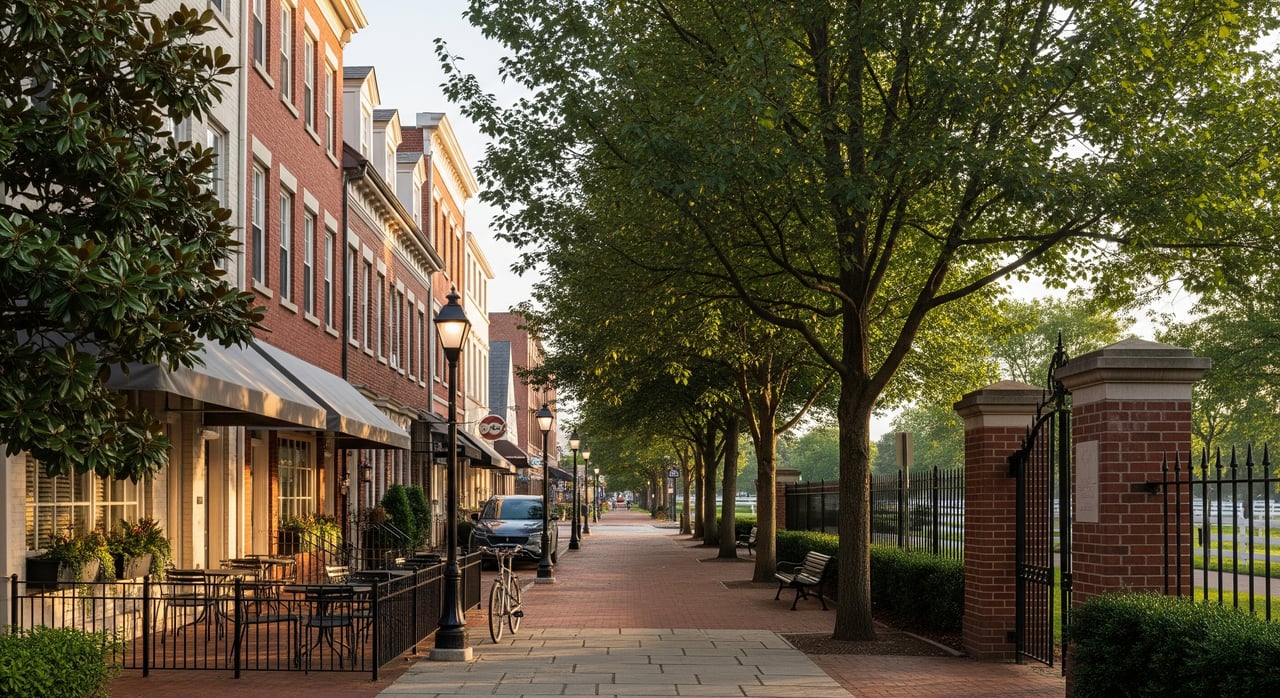
Want to leave the car parked more often and still enjoy parks, coffee, and dinner close to home? In Lexington, that lifestyle is possible if you focus on the right pockets. You will make a few trade-offs, like smaller lots or older homes, but you gain daily access to green space and neighborhood spots. This guide shows you where walkability works in Lexington, what to expect from housing and commutes, and how to choose the right fit. Let’s dive in.
What walkable means here
Lexington is mostly auto-oriented, yet it has clear walkable pockets. Walkability can mean different things for you. It might be a 5-minute walk to a pocket park, a 10-minute stroll to a coffee and dining cluster, or a 15-minute reach to a bus stop or trail.
Use simple distances to frame your goals:
- 5-minute walk is about 0.25 mile.
- 10-minute walk is about 0.5 mile.
- 15-minute walk is about 1 mile.
When you define walkability this way, it is easier to compare homes and neighborhoods that fit your daily rhythm.
Walkable pockets to explore
Downtown core
If you want restaurants, bars, coffee, and some specialty shopping in a compact area, downtown delivers. You trade yard size for access and energy. Expect condos, lofts, and some historic homes nearby, plus on-site, garage, or on-street parking. Evening walkability is active in many blocks, so lighting and sidewalk quality matter on your preferred routes.
South Limestone and UK
South Limestone and the University of Kentucky area offer frequent cafes and student-focused dining. Sidewalk coverage is strong in many blocks. Housing near campus ranges from condos to historic and converted homes. You will want to check parking rules, especially if you rely on street parking during peak hours.
Chevy Chase corridor
Chevy Chase has early-to-mid 20th-century homes on tree-lined streets, often within a short walk of a neighborhood commercial strip. You can reach coffee, dining, and services within about a 10- to 15-minute walk from many addresses. Lots are modest, and homes can be older with updates needed.
Tates Creek and Richmond Road pockets
Portions of Tates Creek Road and Richmond Road include neighborhood commercial nodes. Walkability varies block by block, so pay attention to sidewalk continuity and safe crossings. You will find a mix of single-family homes and some townhomes with varied proximity to daily conveniences.
Parks-adjacent suburbs
Some suburban neighborhoods sit next to large parks or trailheads. Around Masterson Station or near Jacobson Park, you get quick access to recreation. Daily dining may require a short drive, so this setup works well if your priority is a park lifestyle more than walk-to-everything shopping.
Parks and trails access
Neighborhood parks and green strips are what make a place feel walkable day to day. Look for a short, safe sidewalk route to a park with features you use most, like a playground, open field, or benches. Also consider larger destinations for weekend recreation:
- Raven Run Nature Sanctuary for hiking and nature.
- Jacobson Park for lake views and open green space.
- The University of Kentucky Arboretum for gardens and trails.
- Legacy Trail segments and planned Town Branch Trail for multiuse paths.
Many trailheads are easier to reach by bike or a short drive than by walking from most residential blocks. If trails are part of your routine, map the route you would actually take and check crossings and lighting.
Commute choices and tips
Transit options
Lexington’s bus system serves core corridors and the university area, with frequency that varies by route and time. If you plan to be car-light, verify weekday and weekend schedules, evening service, and transfer needs for your exact commute. A stop that is within a 5- to 10-minute walk and a route that runs often is far more usable.
Driving patterns
Driving remains the dominant mode. Peak-hour congestion on major arterials can affect times more than distance. Access to I-75 and I-64 matters if you commute regionally. In walkable pockets, confirm where you can park and whether permits or garage spaces are available.
Biking and micromobility
Biking is viable for short commutes in certain corridors. Look for continuous bike lanes, safe crossings, and secure storage at home. In condos or townhomes, confirm bike parking rules and storage options.
Housing types and trade-offs
Walkable pockets tend to offer a different mix of homes than outer suburbs. You will see:
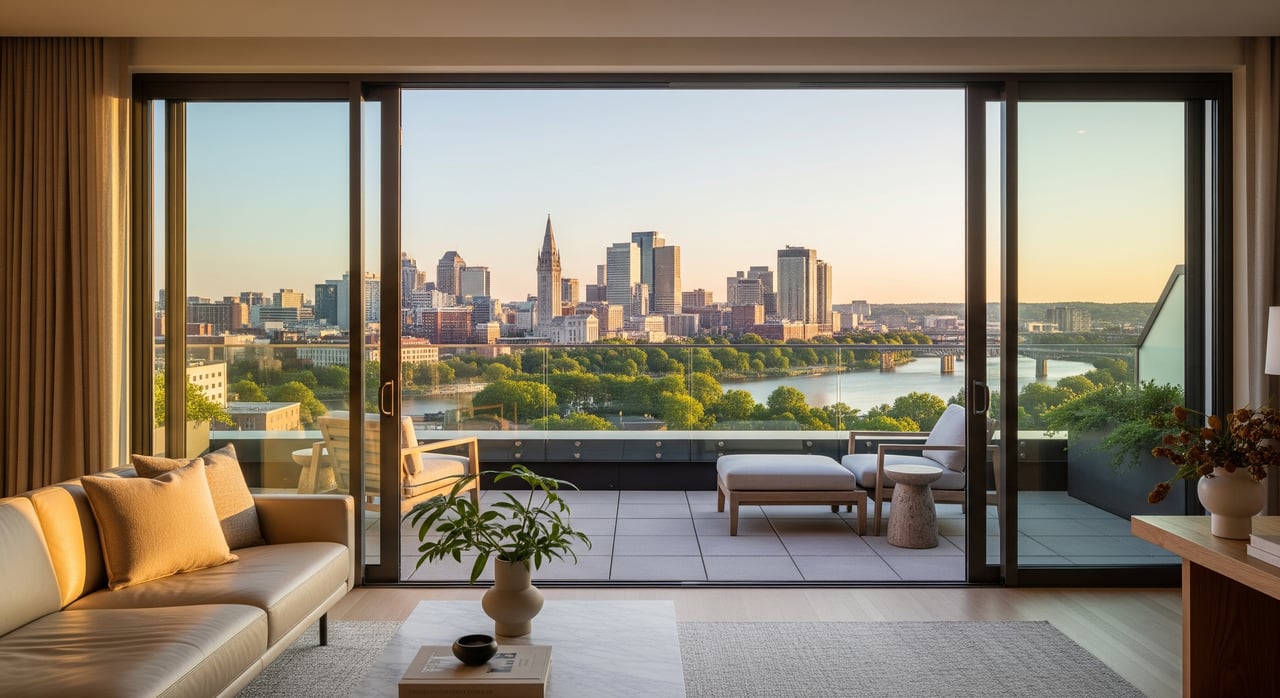
- Downtown condos and lofts. Smaller footprints, vertical living, and shared or street parking. Close to dining and entertainment.
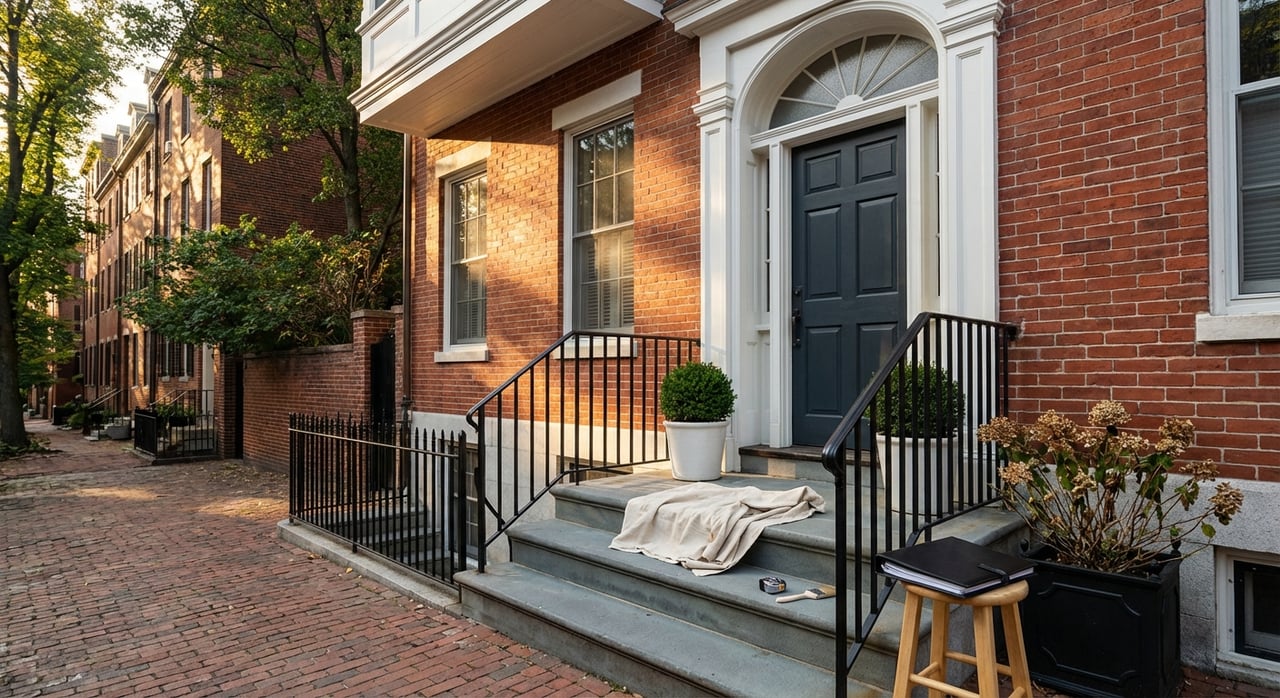
- Historic rowhouses and converted homes near downtown and around the university. Character features, smaller yards, and potential for renovation.
- Early-to-mid 20th-century single-family homes in central neighborhoods like Chevy Chase. Bungalows and Craftsman styles with modest yards.
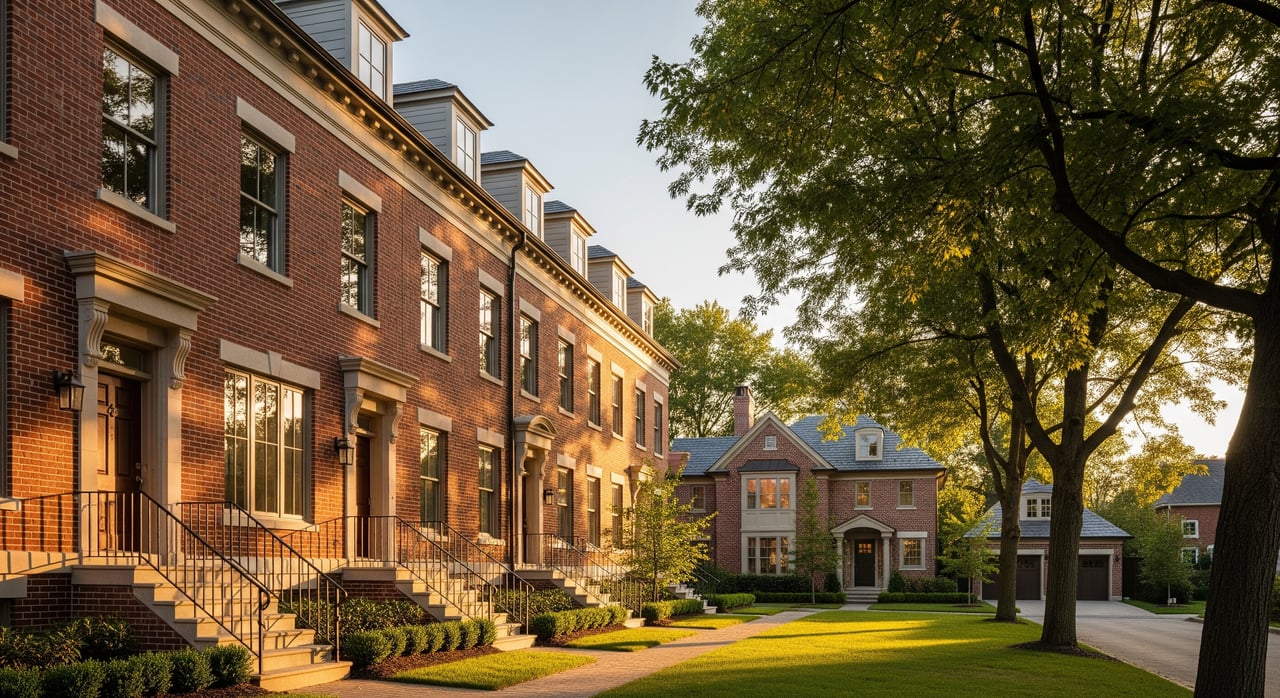
- New infill townhomes and small-lot modern homes. Newer finishes and lower maintenance, often with a higher price per square foot.
- Parks-adjacent suburban homes around places like Masterson Station or Jacobson. Recreation is close, daily shops are usually a short drive.
Price levels shift with market conditions. Entry-level walkable options are often smaller condos or older homes close to core amenities. Mid-market choices include larger condos or updated historic homes. Premium options include high-end downtown condos, fully renovated historic properties, and new infill in prime corridors. For current numbers and comps, review the latest local MLS data.
Key trade-offs to consider:
- Size versus proximity. Walkability often means a smaller lot or home.
- Parking. You may rely on permits or shared parking instead of a private garage.
- Maintenance and HOA dues. Condos and townhomes can include shared services and fees.
- Renovation versus turnkey. Older homes may need updates, newer infill is often move-in ready but on smaller lots.
How to choose your spot
Make your priority list
Rank what matters most. Is it dining and coffee, a daily park, groceries within 10 minutes, or transit access? Decide your maximum acceptable walk for your top priority, whether that is 5, 10, or 15 minutes.
Map your 5–15 minute life
For each possible home, sketch your 5-, 10-, and 15-minute walks. Include the nearest park, a coffee shop, a small market or grocery, a transit stop, and a preferred dining cluster. This keeps you honest about what you will do daily versus weekly.
Check routes in person
Walk the actual path at the time you would use it. Confirm sidewalk quality, crosswalks, lighting, and noise. If you will use a bus, check the stop, signage, and frequency on a typical weekday and weekend.
Tour smarter
When you tour, time how long it takes to reach a park or cafe. Look at evening parking. Listen for bar or traffic noise. Ask about HOA rules, bike storage, and any renovation history.
How we help
You do not have to piece this together alone. Our team builds a simple Walkability Scorecard for each home you like, with distances to parks, groceries, dining clusters, and transit, plus commute times by car and transit. We also coordinate financing to close, and if you choose an older home, our project managers can help plan updates, cleaning, and move logistics through our integrated service network.
If you want a calm, end-to-end experience from search to move-in, we are ready to guide you through Lexington’s walkable options and the trade-offs that fit your life.
Ready to explore? Reach out to the team at Concierge Real Estate and Investment Co. to start your walkable Lexington search today.
FAQs
What is a realistic definition of walkable in Lexington?
- Aim for a 5- to 15-minute walk to your top priorities, like a small park, coffee, or a bus stop. Central neighborhoods and downtown-adjacent corridors offer the best chances.
Which Lexington areas have clusters of dining and coffee?
- Downtown and downtown-adjacent blocks, South Limestone near the university, and parts of the Chevy Chase, Tates Creek, and Richmond Road corridors commonly offer walkable clusters.
Can I commute without a car in Lexington?
- It depends on your route. LexTran serves core corridors best, with frequency that varies by time and day. A stop within 5 to 10 minutes and frequent service improves car-light living.
Where can I walk to parks and trails?
- Many central blocks have small parks or green strips within a short walk. Larger destinations include Raven Run, Jacobson Park, the UK Arboretum, and segments of the Legacy Trail and Town Branch Trail.
What home types fit a walkable lifestyle?
- Downtown condos and lofts, historic homes near the core, early-to-mid 20th-century single-family homes in central neighborhoods, and newer infill townhomes are common in walkable pockets.
What trade-offs should I expect with walkable homes?
- Smaller lots, potential on-street or shared parking, possible HOA dues, and older homes that may need updates. In exchange, you gain daily access to parks and neighborhood amenities.