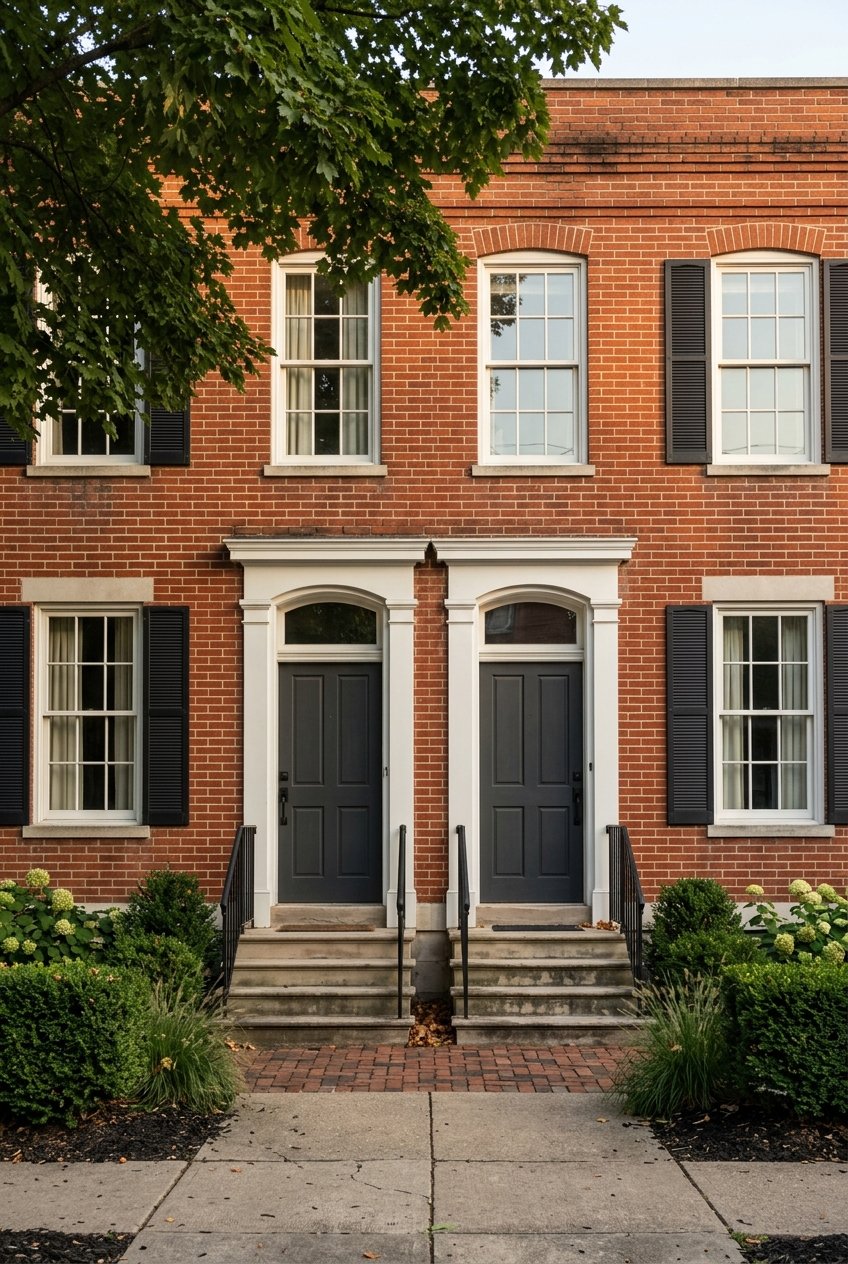
Thinking about relocating to Ocala? You are not alone. Ocala and Marion County have both grown notably in recent years, which means more people are discovering the area while also learning that your experience can vary a lot depending on the exact part of town or county you choose. If you want a clearer picture of housing, daily life, climate, and what to expect during your move, this guide will help you plan with more confidence. Let’s dive in.
Ocala growth is shaping the market
Ocala is a growing city, with the U.S. Census Bureau estimating 71,753 residents in July 2025. That is up 12.7% from the 2020 census. Marion County has also expanded, reaching an estimated 428,905 residents in July 2024, up 14.1% from 2020.
For you as a new resident, that growth matters because it often brings more housing activity, more newcomer demand, and more variation from one area to the next. Instead of relying on one citywide impression, it helps to compare specific neighborhoods, property types, and whether you want to be inside Ocala city limits or elsewhere in Marion County.
Housing costs in Ocala and Marion County
If you are moving to Ocala, one of your first questions is probably about home prices and rents. Recent market data shows a difference between the city and the county, which can be useful when you start narrowing your search.
For the three months ending May 2026, Redfin reported a median sale price of $291,825 in Ocala, with homes taking about 69 days to sell. Marion County posted a median sale price of $279,063, with homes taking about 62 days on market.
That does not mean one option is automatically better than the other. It simply shows that location, pace, and pricing can differ depending on where you focus your search.
Quick housing snapshot
| Metric | Ocala | Marion County |
|---|---|---|
| Median sale price | $291,825 | $279,063 |
| Days on market | 69 | 62 |
Census data also adds useful context. In Ocala, the owner-occupied housing rate is 52.1%, the median owner-occupied home value is $241,400, and the median gross rent is $1,359.
If you are deciding whether to rent first or buy right away, these numbers can help frame your budget. They can also remind you that the right move depends on your timeline, how familiar you are with the area, and how quickly you need to settle in.
Florida tax details to know early
If you plan to make your new home your primary residence, Florida’s homestead exemption is worth understanding as soon as possible. According to the Florida Department of Revenue, the exemption can reduce taxable value by up to $50,000.
The first $25,000 applies to all property taxes. The next $25,000 applies only to non-school taxes.
To qualify, you must have permanent Florida residency on January 1, and the application is due by March 1 with the county property appraiser. If you are relocating late in the year or buying on a tight timeline, it is smart to keep that deadline in mind from the start.
Daily life in Ocala
A move is about more than the house itself. You also want to know what everyday life looks like once the boxes are unpacked.
Ocala offers a mix of city convenience and outdoor access. Depending on where you live, your day-to-day routine may include downtown events, local transit, healthcare access, parks, or a quick drive to campus services and shopping.
Healthcare access
AdventHealth Ocala, located at 1500 Southwest 1st Avenue, is open 24/7 and provides emergency care. It also offers Marion County’s only dedicated children’s ER and inpatient unit, along with the county’s only accredited Heart Care center.
For many relocating households, proximity to medical care is a key part of choosing where to live. If that matters to you, it is worth comparing commute times to major care providers as you evaluate homes.
Schools and attendance zones
If school assignment is part of your move, Marion County Public Schools assigns students by residential address. The district directs families to use its zoned-school lookup tool.
That means school zoning is not something you should guess based on a neighborhood name or nearby campus. If a specific assignment matters to your household, confirm it using the exact property address before you make a final decision.
Getting around Ocala
SunTran provides city transit service in Ocala and Marion County. The system describes its service as safe, comfortable, and accessible, and the regular fare is $1.50.
Route 4 serves several key destinations, including the Downtown Transfer Station, Downtown Square, Munroe Heart/Ocala Regional Medical Center, Marion Technical College, Paddock Mall, and the College of Central Florida. If you want transportation options beyond driving, route access may be a practical factor in your home search.
Airport access
The City of Ocala says Ocala International Airport serves commercial, industrial, and corporate needs as a premier general aviation airport. While it is not the same as a large commercial passenger hub, it is still an important local asset.
If your work or travel schedule includes private, business, or specialized aviation needs, airport proximity could shape which area feels most convenient.
Recreation and community amenities
One reason many people are drawn to Ocala is the balance between local activity and outdoor space. You can enjoy a more connected daily routine without giving up access to trails, parks, and events.
Downtown Ocala is described by Ocala Main Street as a walkable district with dining, shops, arts, and history. The city’s First Friday Art Walk runs the first Friday of each month from October through May, from 6 to 9 p.m., and features more than 40 local and regional visual artists and arts organizations.
If you enjoy being near local events and a traditional downtown setting, that part of Ocala may deserve a closer look. If you prefer more land, trail access, or a quieter setting, other parts of Marion County may fit better.
Outdoor recreation
Marion County Parks & Recreation maintains more than 50 unique sites. The Cross Florida Greenway near Ocala spans 110 miles and includes more than 80 miles of equestrian trails.
That gives you a sense of how strong the outdoor lifestyle is in this area. Whether you like walking, riding, exploring parks, or simply having more open space nearby, recreation can be a real part of daily life here.
Higher education nearby
The College of Central Florida’s Ocala Campus offers associate and bachelor degrees and more than 150 academic pathways. For some households, that adds value through continuing education, commuting convenience, or dual-enrollment planning.
Even if college access is not your main reason for moving, it can still be a useful amenity to keep in mind when comparing locations.
Utilities and city services
When you relocate, utility setup often becomes one of the last-minute details that creates the most stress. In Ocala, city utility services include electric, sanitation, water, and Ocala Fiber Network.
The city also notes that curbside recycling service will be discontinued beginning July 6, with residents directed to designated recycling centers. That is a small detail, but it is the kind of local service change new residents appreciate knowing before move-in.
Ocala weather and seasonal planning
Ocala’s climate is an important part of your relocation planning. NOAA climate normals show an annual mean temperature of 71.3°F and annual precipitation of 51.64 inches.
Summer is especially important to plan for. July averages 92.0°F for highs and 72.2°F for lows, while August averages 91.6°F and 72.5°F, with both months getting about 7 inches of precipitation.
In practical terms, you should expect hot, humid, and rainy summers, along with mild winters. When touring homes, pay attention to air conditioning performance, shade, drainage, and signs of moisture management.
Storm and flood questions matter
NOAA says the Atlantic hurricane season runs from June 1 through November 30. Even though Ocala is inland, storm preparation is still part of living in Central Florida.
Flood risk also deserves careful review. FEMA states that homeowners insurance generally does not cover flood damage, and National Flood Insurance Program requirements apply to Special Flood Hazard Areas shown on FEMA maps.
If you are comparing two homes, ask early about insurance considerations and whether the property has any flood-related requirements. That step can help you avoid surprises in your monthly housing costs.
Tips for a smoother long-distance move
If you are relocating from out of state, the process can feel more complicated. The good news is that the core homebuying steps stay the same, even if you are handling much of the process remotely.
Consumer guidance in the research report outlines a familiar sequence: prepare finances and paperwork, shop for a mortgage, make an offer, get an inspection, review insurance, and sign at closing. The lender must also send the Closing Disclosure at least three business days before closing.
Focus on these moving parts
For an out-of-town move, it helps to stay organized around a few priorities:
- Get preapproved early so your budget is clear
- Use virtual tours when you cannot visit in person
- Coordinate inspections on a reliable timeline
- Review insurance details before closing
- Set up utilities as soon as your closing date is confirmed
A smooth relocation usually comes down to planning and coordination. When multiple services are involved, having one team help manage the details can make the experience feel much more manageable.
How to choose the right area
There is no single best fit for every new resident moving to Ocala. Your ideal location depends on what matters most to you, such as commute patterns, access to healthcare, downtown convenience, trail access, lot size, or whether you want to be inside the city or elsewhere in Marion County.
As you compare options, focus on how you actually want to live day to day. The right home is not just about price. It is also about how well the location supports your routine after the excitement of the move is over.
Relocating to Ocala can be a smart and rewarding move when you approach it with local context and a clear plan. If you want guidance on neighborhoods, financing coordination, move-in timing, or preparing a home purchase from out of town, Concierge Real Estate and Investment Co. can help you simplify the process from search to closing.
FAQs
What should new residents know about Ocala home prices?
- Recent data for the three months ending May 2026 shows a median sale price of $291,825 in Ocala and $279,063 in Marion County, so you should compare city and county options separately.
What should relocating buyers know about Florida homestead exemption?
- Florida’s homestead exemption can reduce taxable value by up to $50,000 for a primary residence, and you must meet the January 1 residency requirement and file by March 1.
What should families know about school zoning in Marion County?
- Marion County Public Schools assigns students by residential address, so you should confirm the zoned school for any specific property you are considering.
What should new Ocala residents expect from the weather?
- You should plan for hot, humid, rainy summers, mild winters, and seasonal storm preparation during Atlantic hurricane season from June 1 through November 30.
What should out-of-state buyers know about relocating to Ocala?
- Out-of-state buyers should get preapproved early, stay on top of inspection and insurance timelines, and remember that the lender must provide the Closing Disclosure at least three business days before closing.